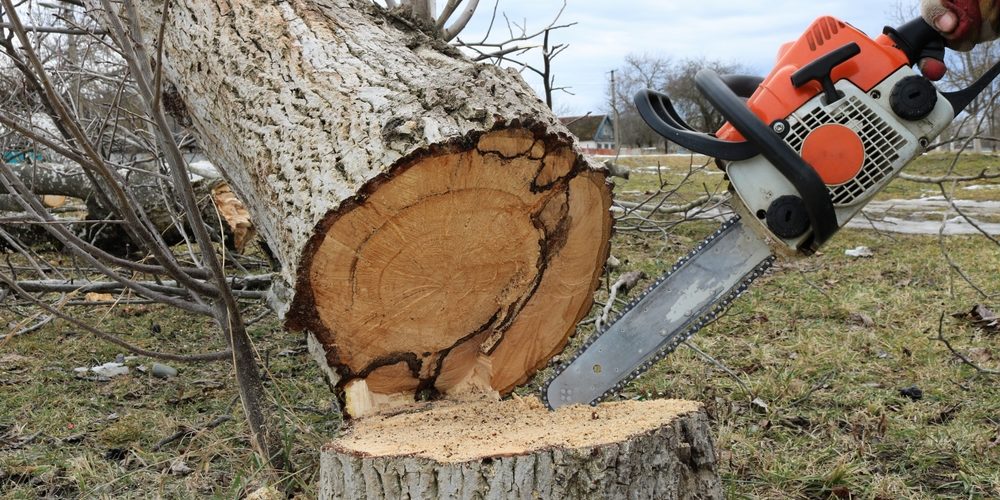
Cutting down trees should be done judiciously and only when necessary. Trees provide numerous benefits to the environment, society, and human well-being.
Here are several reasons why you should avoid cutting down trees whenever possible…
- Environmental Benefits:
- Oxygen Production – Trees absorb carbon dioxide and release oxygen during photosynthesis, helping to improve air quality and mitigate climate change.
- Carbon Sequestration – Trees store carbon, reducing greenhouse gas emissions and combating climate change.
- Wildlife Habitat – Trees provide habitat and food for various wildlife species, promoting biodiversity.
- Soil Erosion Prevention – Tree roots help anchor soil, preventing erosion and maintaining soil health.
- Aesthetic and Recreational Value:
- Scenic Beauty – Trees enhance the visual appeal of landscapes, parks, and neighborhoods.
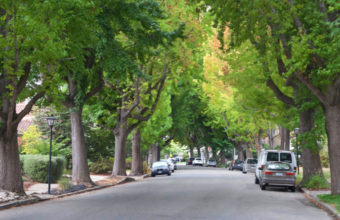
- Shade and Cooling – Trees provide shade, reducing the heat island effect in urban areas and making outdoor spaces more comfortable.
- Recreation – Trees create pleasant outdoor spaces for recreational activities such as picnicking, hiking, and birdwatching.
- Economic Benefits:
- Property Value – Trees can increase property values and attract buyers.
- Energy Savings – Properly placed trees can provide natural cooling, reducing energy costs for heating and cooling buildings.
- Timber and Products – Trees can be a sustainable source of wood, paper, and other products when harvested responsibly.
- Health and Well-Being:
- Psychological Benefits – Spending time in natural settings with trees has been linked to reduced stress, improved mood, and better mental health.
- Physical Health – Trees filter air pollutants, contributing to better respiratory health.
- Community Well-Being – Green spaces with trees foster a sense of community and connection among residents.
- Habitat for Pollinators – Many trees provide food and habitat for pollinators such as bees and butterflies, which are crucial for crop pollination and ecosystem health.
- Cultural and Historical Significance – Trees may have cultural, historical, or religious significance and serve as landmarks or symbols.
While there are situations where tree removal may be necessary due to safety concerns, disease, or construction needs, weigh the ecological, social, and economic value of trees and explore alternatives like transplanting, pruning, or proper maintenance whenever possible. Responsible tree management and conservation efforts are vital to preserving these valuable natural resources for future generations.