Stump grinding can be perceived as expensive due to several factors that contribute to the overall cost.
Here’s a breakdown of why stump grinding might be costly…
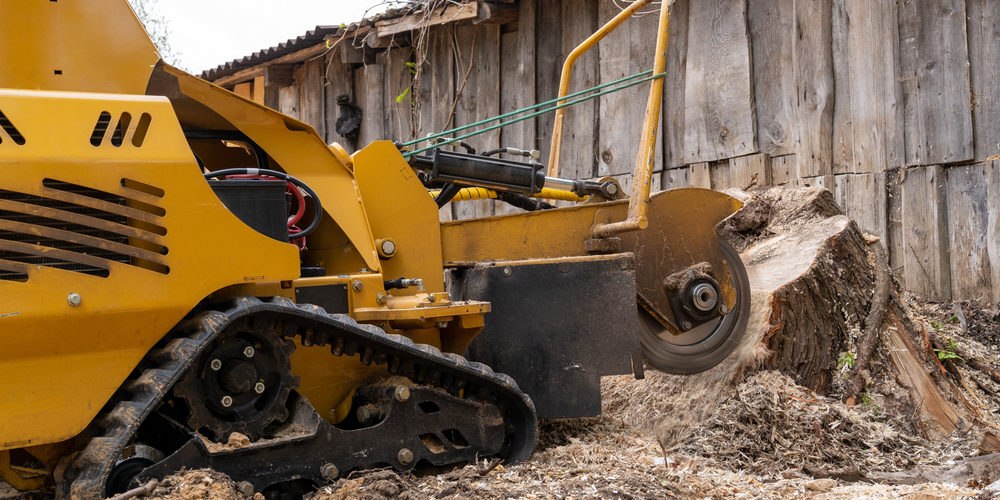
- Specialized Equipment – Stump grinding requires the use of specialized machinery. These stump grinders are expensive to purchase and maintain. The cost of the equipment, along with the maintenance, repair, and transportation of these heavy machines, contributes significantly to the service cost.
- Labor Costs – Operating stump grinders requires skilled labor. Workers need to be trained to safely and effectively use the machines, and labor costs can be high, especially in areas with higher living costs. Additionally, the job can be labor-intensive, especially for larger or more complicated stump removals, requiring more time or multiple workers.
- Time and Effort – The time and effort needed to grind a stump can vary greatly depending on the stump’s size, wood hardness, location, and the presence of rocks or debris around it. Larger and harder stumps take more time and effort to grind down, which increases the cost.
- Safety Measures – Safety is a significant concern when grinding stumps due to the potential for flying debris and the operation of heavy machinery. Proper safety measures and equipment are necessary to protect workers and property, adding to the cost.
- Disposal of Debris – After grinding a stump, there is often a considerable amount of wood chips and debris that need to be cleaned up and disposed of. The disposal process can add to the overall cost, especially if there are fees associated with dumping the material or if it needs to be transported a significant distance.
- Access Issues – If the stump is located in a hard-to-reach area, it can complicate the grinding process. Limited access can require additional labor to move equipment into position or might necessitate the use of smaller, less efficient equipment, both of which can increase costs.
- Insurance and Licensing – Professional stump grinding services carry insurance to protect against damage and liability, and obtaining the necessary licenses and permits can be costly. These costs are often passed on to the customer.
- Market Factors – Prices can also be influenced by local demand, competition, and regional cost of living. In areas with fewer service providers or higher demand, prices may be higher.
Despite the expense, stump grinding is often considered a necessary and worthwhile investment for homeowners and property managers looking to remove tripping hazards, improve aesthetics, and prevent pest infestations associated with decaying stumps.