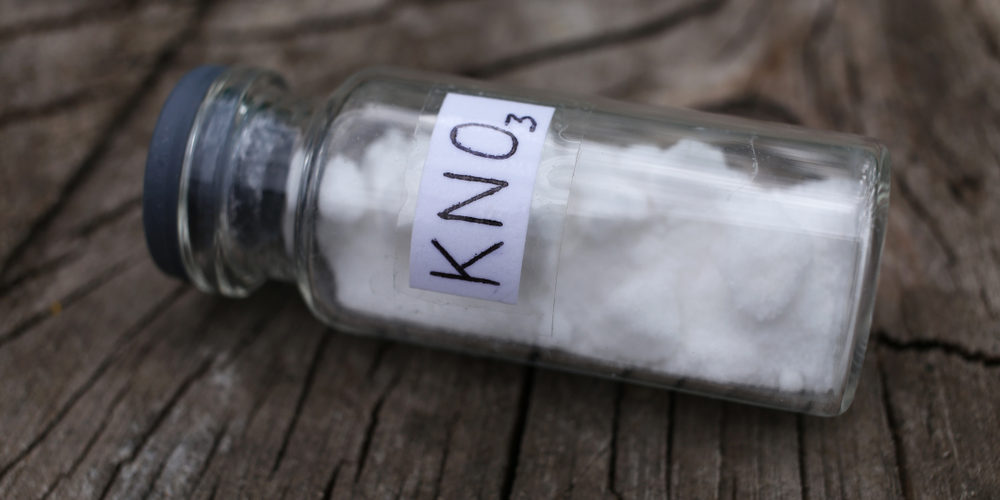
Rotting a tree stump with potassium nitrate (saltpeter) is a popular method for stump removal because it accelerates the decomposition process. The time it takes for a stump to completely decompose using potassium nitrate can vary widely depending on several factors, including the size of the stump, the type of tree, the concentration of potassium nitrate used, environmental conditions, and how thoroughly the stump is exposed to the compound.
Here is a general timeline and steps involved in the process…
Steps to Rot a Stump with Potassium Nitrate
- Drill Holes – Drill deep, wide holes into the top of the stump, spaced a few inches apart. The holes should be about 8 to 12 inches deep to ensure the potassium nitrate reaches deep into the wood.
- Apply Potassium Nitrate – Fill the holes with potassium nitrate. You can use granules or powder form, then add water to the holes to dissolve the substance and allow it to penetrate into the wood.
- Wait and Water – Keep the stump moist but not waterlogged. This helps the potassium nitrate to spread and encourages microbial activity, which is essential for decomposition.
Timeline for Decomposition
- Initial Softening – Within 4 to 6 weeks, you should start to see signs that the wood is softening. This is an indication that the decomposition process has begun.
- Noticeable Decomposition – It typically takes 4 to 12 months for the stump to become significantly decomposed. By this time, the wood should be soft and spongy enough to break apart easily with an axe or shovel.
- Complete Decomposition – The complete breakdown of the stump can take anywhere from a year to several years, depending on the aforementioned factors. Hardwood stumps tend to take longer to decompose than softwood stumps.
Accelerating the Process
- Water and Nitrogen – Regularly adding water and a nitrogen source (such as a high-nitrogen fertilizer) can help accelerate the decomposition process by promoting microbial growth.
- Physical Breakdown – Breaking up the softened wood with an axe or shovel periodically can increase the surface area exposed to decomposition agents, speeding up the process.
- Covering – Covering the stump with mulch or soil can keep it moist and warm, further encouraging decomposition.
The use of potassium nitrate significantly reduces the time it takes for a stump to decompose naturally, which can otherwise take many years. Patience is still required, as the process is not immediate.